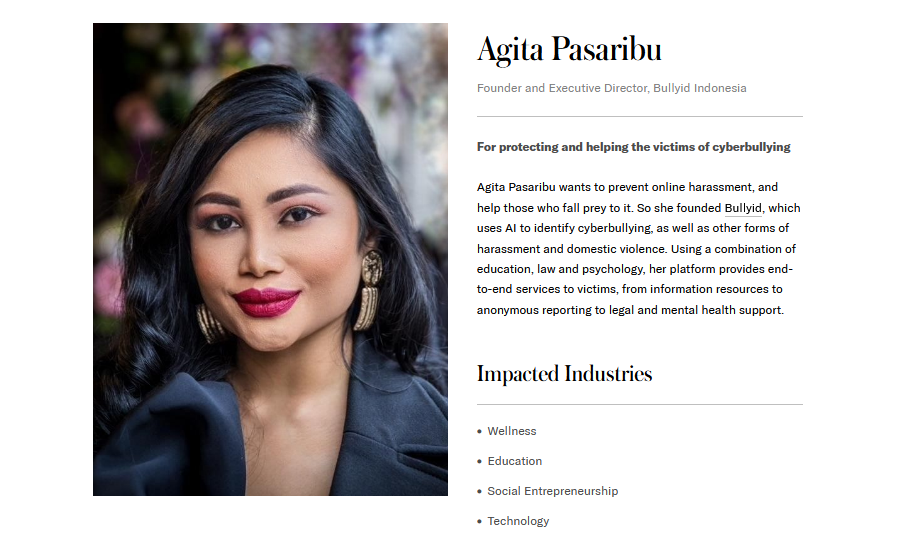
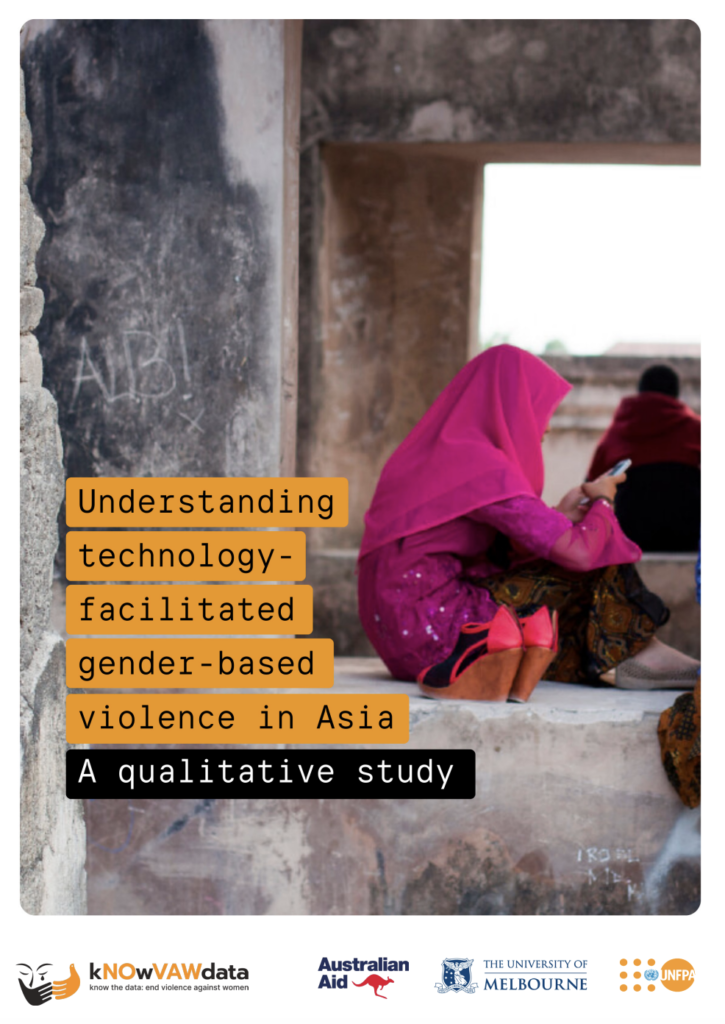
At Bullyid App, we believe that data is the first line of defense in the fight against digital violence. That is why we are incredibly proud to have partnered with the United Nations Population Fund (UNFPA) and the University of Melbourne on their groundbreaking new report: “Understanding Technology-Facilitated Gender-Based Violence in Asia.”
As one of the key stakeholders contributing to this research, Bullyid App is committed to bringing these findings out of the academic sphere and into the public conversation. This report is a wake-up call. It fills a critical gap in evidence for the Asia region, offering a stark look at how technology is being weaponized against women, girls, and marginalized communities.
Here is our comprehensive summary of the key findings, the hidden impacts, and the urgent roadmap for action.
What is Technology-Facilitated Gender-Based Violence (TF GBV)?
The report defines TF GBV as any act of violence that is committed, assisted, aggravated, or amplified by the use of information and communication technologies (ICT). It is not “just” online words. It is violence that harms people based on their gender.
The research confirms what we see daily on the Bullyid App platform: digital violence does not exist in a vacuum. It operates on an “online-offline continuum,” meaning online threats often escalate to physical danger, and offline abuse (like domestic violence) is frequently intensified through digital stalking and surveillance.
The Face of TF GBV in Asia: Key Findings
Drawing from focus groups across 14 countries—including Indonesia, India, the Philippines, and Malaysia—the research identifies who is most at risk and how they are targeted.
1. Who is Most Affected?
The primary victims across all Asian contexts are women, girls, and LGBTIQ+ individuals. However, the report highlights that vulnerability intersects with other factors. Women in public-facing roles—such as journalists, activists, and politicians—are disproportionately targeted to silence their voices. Additionally, religious minorities and those with lower digital literacy are increasingly vulnerable.
2. Six Prevalent Forms of Abuse
The study categorized the diverse manifestations of violence into six main types:
Image-Based Abuse (IBA): This was the most reported form. It includes the non-consensual sharing of intimate images (“revenge porn”), sextortion, and the growing threat of deepfakes.
- Sexualized Harassment: Unwanted sexual advances, threats of rape, and coordinated “trolling” attacks designed to humiliate victims.
- Doxing: The malicious publication of private information (like home addresses) to incite fear and offline harassment.
- Stalking & Surveillance: The use of GPS tracking, spyware, and social media monitoring to control victims.
- Impersonation & Deception: Creating fake profiles to damage reputations or lure victims into scams.
- Online Child Sexual Exploitation: The coercion of minors into producing sexual content.
The Unique Power of Digital Violence
Why is TF GBV so difficult to stop? The research identifies three unique features of technology that amplify harm:
- Perpetuity: Once content is uploaded, it can exist forever. Even if removed from one platform, it often pops up on another, causing victims lifelong anxiety.
- Anonymity: Perpetrators can hide behind fake profiles and operate from different countries, making accountability nearly impossible.
Automation: Tools like bots and AI allow abusers to harass victims at a speed and scale that was previously impossible.
The Hidden Cost: Silence and Self-Censorship
One of the most disturbing findings is the “chilling effect” on women’s participation in society. To survive the abuse, many victims resort to self-censorship.
Women journalists are deactivating their accounts. Activists are stepping back from public debates. Young girls are reducing their digital presence. This is not just a personal tragedy; it is an economic and democratic crisis. When women are forced offline, they lose access to economic opportunities, education, and the public square.
Why Is Justice So Hard to Find?
The report identifies systemic barriers that allow perpetrators to act with impunity:
Victim-Blaming Culture: In many Asian societies, the stigma of abuse prevents victims from reporting. Police and even family members often blame the victim for “taking the photo” rather than the perpetrator for sharing it.
- Legal Gaps: Many countries lack specific laws for TF GBV. Existing laws on “obscenity” or “pornography” can backfire, criminalizing the victim for appearing in the content rather than protecting them.
- Tech Platform Failures: Reporting mechanisms are often ineffective. Platforms lack content moderators who understand local Asian languages and cultural nuances, leading to valid reports being ignored.
The Way Forward: Recommendations for Action
The report outlines a clear path forward for stakeholders, including CSOs like Bullyid App, governments, and tech giants.
Localized Tech Solutions: Technology companies must invest in human moderators who understand local languages and cultural contexts. AI moderation alone is failing.
- Legal Reform: Governments need to update laws to specifically address digital violence without criminalizing victims. Laws must recognize that “virtual” violence causes real, physical harm.
- Digital Literacy 2.0: Education must go beyond “how to use a mouse.” We need comprehensive education on digital consent and ethics for young people to stop the cycle of abuse.
- Multi-Stakeholder Collaboration: No single entity can solve this. We need coordinated action between police, platforms, and support services to ensure victims don’t fall through the cracks.
Bullyid App’s Commitment
This research validates everything we fight for at Bullyid App. We see the faces behind these statistics every day. As a partner in this study, we reaffirm our commitment to:
Provide anonymous, secure reporting channels for victims who fear judgment.
Bridge the gap with tech platforms to expedite the removal of non-consensual content.
Advocate for victim-centric laws in Indonesia and across the region.
We invite you to read the full UNFPA report to understand the depth of this issue. Together, we can build a digital world that is safe for everyone.
Need help? If you or someone you know is experiencing digital violence, visit Bullyid App for confidential support.